
Pulmonary Arterial Hypertension
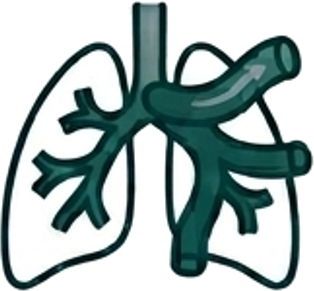
Pulmonary arterial hypertension (PAH) is a progressive condition characterized by increased blood pressure in the arteries that carry blood from the heart to the lungs. This occurs when the small blood vessels in the lungs (pulmonary arteries) develop abnormal thickening and narrowing due to an increase in the amount of muscle in their walls. As a result, blood flow through these vessels is restricted, leading to increased pressure.
This elevated pressure makes it harder for the heart to pump blood into the lungs, which can lead to heart strain, reduced oxygen levels in the blood, and eventually, heart failure if untreated.
How PAH Affects the Body
- Narrowing of Pulmonary Arteries: The thickened vessel walls reduce the diameter of the arteries, limiting blood flow.
- Increased Resistance: The heart’s right ventricle must work harder to pump blood against the higher resistance, causing it to enlarge and weaken over time.
- Decreased Oxygenation: Restricted blood flow leads to less oxygen being transported from the lungs to the rest of the body, resulting in fatigue and other symptoms.
Symptoms of Pulmonary Arterial Hypertension
The symptoms of PAH can develop gradually and are often mistaken for other conditions in the early stages. Common symptoms include:
- Shortness of breath, especially during physical activity.
- Fatigue or weakness.
- Dizziness or fainting spells (syncope).
- Chest pain or pressure, particularly during exertion.
- Swelling in the ankles, legs, or abdomen (edema).
- Bluish color to the lips or skin (cyanosis) due to low oxygen levels.
Causes and Risk Factors
PAH can develop as a primary condition or secondary to other diseases. Common underlying causes and risk factors include:
- Congenital Heart Disease: Structural heart defects present from birth, such as atrial or ventricular septal defects, can lead to increased pressure in the pulmonary arteries.
- Connective Tissue Diseases: Conditions like scleroderma or lupus can cause inflammation and scarring of blood vessels.
- Coronary Artery Disease or Systemic High Blood Pressure: Chronic strain on the cardiovascular system can affect pulmonary circulation.
- Chronic Lung Diseases: Such as emphysema or chronic obstructive pulmonary disease (COPD).
- Liver Disease (Cirrhosis): Can lead to changes in pulmonary blood flow.
- Blood Clots (Pulmonary Embolism): Blockages in the pulmonary arteries can increase pressure.
- Genetics: Mutations in certain genes, such as BMPR2, can increase the risk of PAH in some families.
Areas We Service

Experience Specialty Intelligence™ with a Human Touch
Discover care that’s more personal, more responsive, and more human.
At Pharma Fusion, we merge advanced data, clinical expertise, and genuine compassion to simplify therapy, resolve challenges others can’t, and deliver outcomes that truly make a difference.
Let’s stay connected!
Pharma Fusion Rx is ACHC Accredited and operates in full compliance with all federal and state pharmacy regulations.
Pharma Fusion is committed to protecting patient privacy and complies with all HIPAA privacy and security regulations.

Florida


Arizona
Florida
Illinois
Louisiana