
Immune Deficiency

Primary immunodeficiency (PI), also referred to as congenital immunodeficiency, encompasses a group of rare, inherited disorders that impair the immune system’s ability to defend the body against infections. These conditions are typically caused by genetic mutations that affect specific components of the immune system.
With over 80 recognized primary immunodeficiency syndromes, these disorders are categorized based on the part of the immune system that is affected, such as lymphocytes, granulocytes, or other immune system components.
Causes of Primary Immunodeficiency
Primary immunodeficiencies are generally hereditary, meaning they are passed down through families. They may follow different inheritance patterns, including:
- Autosomal Recessive Inheritance: Both parents must carry and pass on a copy of the mutated gene for their child to be affected.
- X-Linked Inheritance: The defective gene is located on the X chromosome, often affecting males more severely since they have only one X chromosome.
How the Immune System Is Affected
The immune system consists of various components that work together to identify and fight off pathogens like bacteria, viruses, and fungi. PI disorders are classified based on which part of the immune system is malfunctioning:
- B Lymphocyte (Antibody) Deficiencies:
- Result in reduced or absent antibody production, making individuals more prone to bacterial infections.
- Examples include X-linked agammaglobulinemia (XLA) and common variable immunodeficiency (CVID).
- T Lymphocyte Deficiencies:
- Impair the body’s ability to fight viral, fungal, and opportunistic infections.
- Examples include DiGeorge syndrome and chronic mucocutaneous candidiasis.
- Combined B and T Lymphocyte Deficiencies:
- Affect both antibody and cellular immune responses, leading to severe infections.
- Examples include severe combined immunodeficiency (SCID), also known as “bubble boy syndrome.”
- Phagocyte Deficiencies:
- Impact the ability of white blood cells (granulocytes and macrophages) to engulf and destroy pathogens.
- Examples include chronic granulomatous disease (CGD).
- Complement System Deficiencies:
- Involve the malfunction of proteins that help destroy pathogens or signal other immune cells.
- Examples include deficiencies in C3 or C9 proteins.
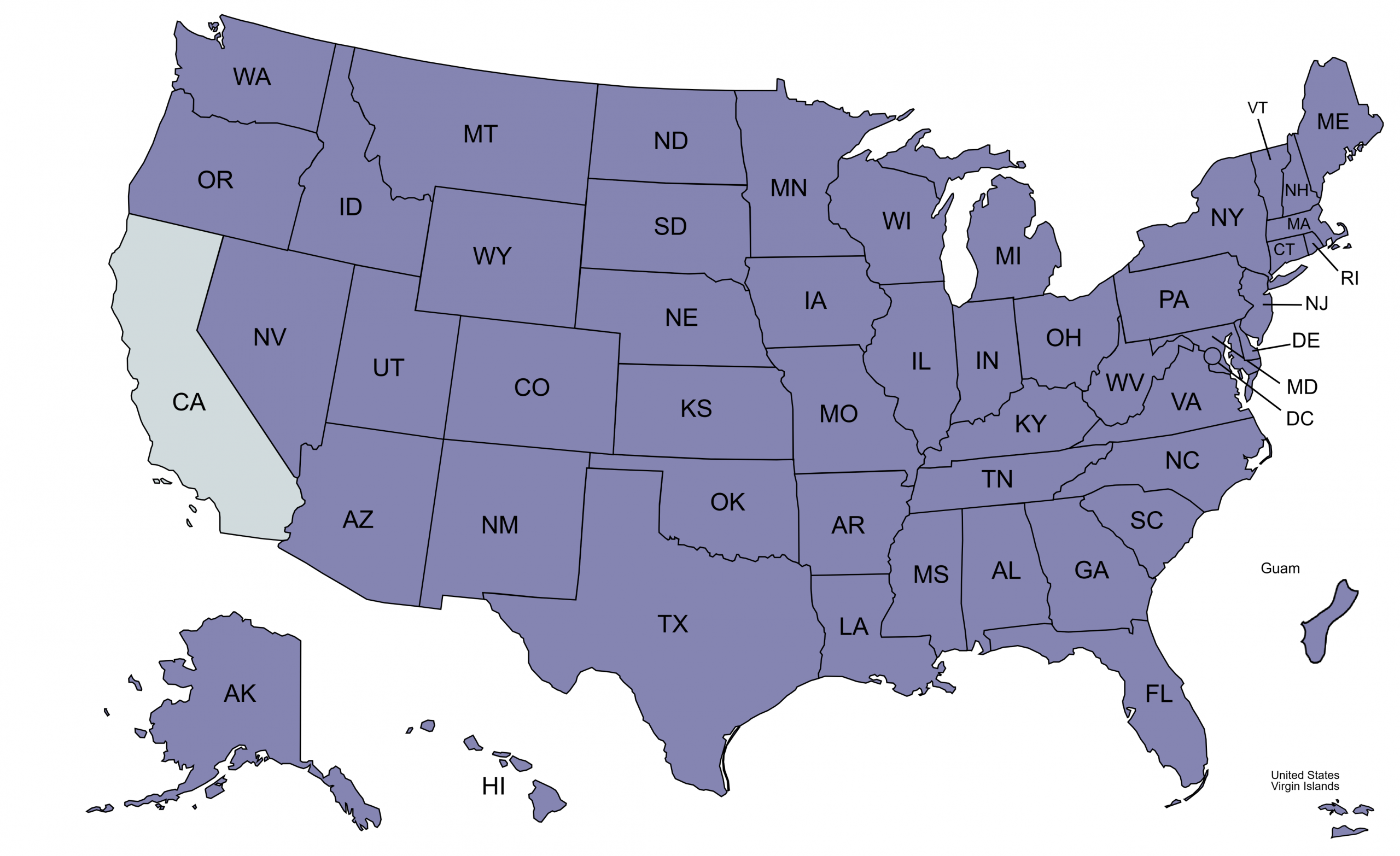
Areas We Service
Experience Specialty Intelligence™ with a Human Touch
Discover care that’s more personal, more responsive, and more human.
At Pharma Fusion, we merge advanced data, clinical expertise, and genuine compassion to simplify therapy, resolve challenges others can’t, and deliver outcomes that truly make a difference.
Let’s stay connected!
Pharma Fusion Rx is ACHC Accredited and operates in full compliance with all federal and state pharmacy regulations.
Pharma Fusion is committed to protecting patient privacy and complies with all HIPAA privacy and security regulations.

Florida


Arizona
Florida
Illinois
Louisiana